
5 Signs You Need To See A Trichologist/ Hair Loss Specialist, (Not Just A Regular Stylist)

Most people see a hair stylist when something seems off with their hair — and that makes sense. But there’s a difference between a styling concern and a scalp health concern. If you’re experiencing thinning, unexplained shedding, scalp irritation, or hair that simply isn’t growing back, what you need is a trichologist — a specialist trained specifically in the science of hair and scalp health. Here are five signs it’s time to make that call.
A Trichologist is a specialist in the health of the hair and scalp. Unlike a regular stylist who focuses on cutting, coloring, and styling, a trichologist diagnoses the root causes of hair loss, thinning, scalp conditions, and slow hair growth — and creates a treatment plan to address them.

SIGN 1 - Your Hair Is Thinning But No One Can Explain
Why this matters
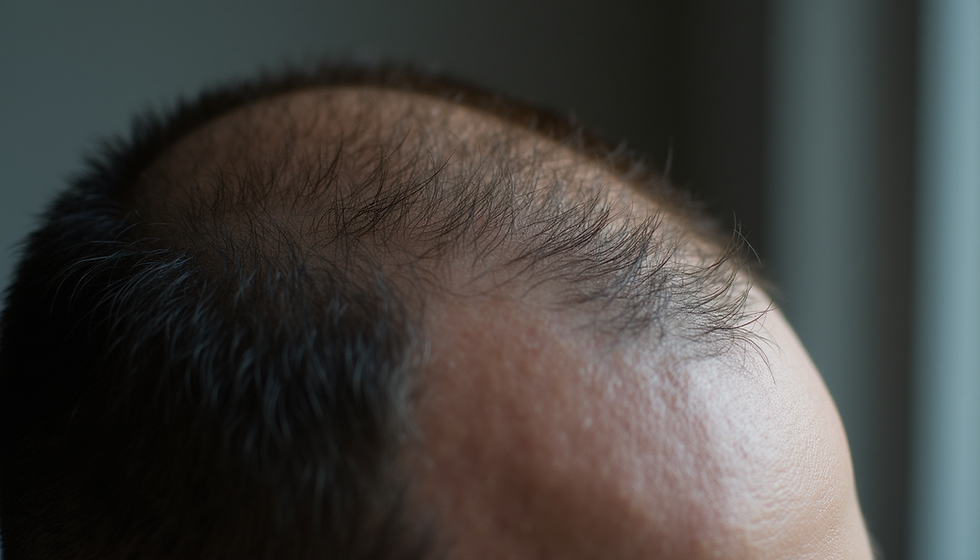
A stylist can see that your hair looks thinner — but they cannot tell you why. Thinning has dozens of possible causes: hormonal shifts, nutrient deficiencies, scalp inflammation, autoimmune conditions, or genetic pattern loss. Without a diagnosis, any product or treatment is guesswork. A trichologist uses tools like a scalp scope to look at your follicles directly and identify the actual cause.
The frustration of trying shampoos, supplements, and treatments with no improvement. Thinning is a symptom, not a diagnosis — and that knowing the cause is what makes treatment effective. Their scalp scope analysis can reveal what’s happening at the follicle level in real time.
“If your hair has been getting thinner and no one has been able to tell you why, that’s the clearest sign you need a specialist, not just a stylist.”
SIGN 2 - You're Losing More Hair Than Normal - and It's Been Going On For Months
Why this matters
It is normal to shed between 50 and 100 hairs per day as part of the hair growth cycle. But when shedding becomes noticeably heavier — filling your shower drain, covering your pillow, or coming out in handfuls when you brush — and it continues for more than 6–8 weeks, that is telogen effluvium or another condition that warrants professional evaluation. A stylist cannot distinguish between normal shedding and a medical trigger.
What normal daily shedding looks like vs. excessive loss and ways to notice the difference — more hair in the shower, on the pillow, or a widening part. This kind of shedding is almost always triggered by something (stress, illness, hormonal change, nutritional deficiency) and that finding the trigger is the first step to stopping it.
"When shedding becomes something you notice every single day and it’s been weeks or months, your body is telling you something. A trichologist can help you figure out what it is."

SIGN 3 - You Have A Scalp Problem That Just Won't Go Away
Why this matters
Persistent scalp issues — chronic itching, flaking that isn’t dandruff, redness, tenderness, or buildup that keeps coming back no matter what shampoo you use — are signs of a scalp health condition, not a product problem. Conditions like seborrheic dermatitis, scalp psoriasis, folliculitis, or microbiome imbalance require diagnosis before they can be treated effectively. A regular stylist is not trained to identify or address these conditions.
Many people spend years cycling through products looking for something that works, not realizing the root cause is something that needs professional attention. The scalp is skin, and skin conditions need proper evaluation. By using my scalp scope process — I can see inflammation, buildup, and follicle health in a single appointment.
"A scalp that is constantly irritated, itchy, or inflamed is not going to respond to a new shampoo. It needs to be properly assessed — and that’s exactly what a trichology appointment is for."
SIGN 4 - You've Been Through A Major Life Event And Your Hair Changed Afterward
Why this matters
Hormonal events — pregnancy, postpartum, menopause, thyroid changes, going on or off hormonal birth control — are among the most common triggers of hair loss in women. So are physical stressors like major surgery, illness, or significant weight loss. Hair loss triggered by these events often appears 2–3 months after the fact, which makes it easy to miss the connection. A trichologist understands these hormonal and physiological links. A stylist does not.
Many women go months without realizing that the hair loss they’re experiencing now was triggered by something that happened months ago. The most common life events: postpartum, perimenopause and menopause, illness, extreme stress, crash dieting. This type of hair loss is often very treatable when caught and addressed correctly.
“Hair loss after a big life change is one of the most treatable kinds — but only if you identify the trigger and support your scalp through the recovery. That’s what a trichologist is trained to do.”
SIGN 5 - Your Hair Isn't Growing Back - Or Is Growing Back Different
Why this matters
If you’ve had hair loss or breakage and the hair simply isn’t returning — or is coming back finer, shorter, or patchier than before — it could indicate follicle damage, miniaturization, or an ongoing condition that is still active. This is the stage where acting quickly matters most. Follicles that are dormant can often be reactivated with the right treatment. Follicles that have been compromised for too long become much harder to treat. A trichologist can assess whether your follicles are still active and what the treatment window looks like.
The treatment window — early intervention gives you far better outcomes.
My scalp scope and hair loss analysis service is linked here: Dianne Sitar Hair
“If your hair isn’t growing back the way it used to, the window to act is open right now — but it won’t stay open forever. A trichologist can tell you exactly what you’re working with.”
What Makes a Trichologist Different From a Regular Stylist?
A trichologist’s training goes beyond styling techniques into the biology of the hair follicle, the hair growth cycle, scalp conditions, and the hormonal and nutritional factors that affect hair health. Mention your specific tools: the scalp scope for analysis, Jet Cold Plasma and Alma TED for follicle stimulation, and my approach to building a personalized treatment plan for each client. I serve Laconia, NH and the surrounding Lakes Region.
The FAQ Section
Q: What is a trichologist? A trichologist is a specialist in the science of hair and scalp health. They diagnose and treat conditions including hair loss, excessive shedding, scalp disorders, and slow or irregular hair growth. Unlike a hair stylist, a trichologist’s focus is on the health of the scalp and hair follicle, not styling. |
Q: Is a trichologist a doctor? A trichologist is not a medical doctor but is a trained specialist in hair and scalp health. They work alongside your GP or dermatologist and focus specifically on diagnosing and treating hair and scalp conditions through non-surgical, non-pharmaceutical approaches. |
Q: What conditions does a trichologist treat? Conditions I treat: androgenetic alopecia (pattern hair loss), telogen effluvium (stress or hormonal shedding), alopecia areata, scalp inflammation, seborrheic dermatitis, psoriasis, postpartum hair loss, and menopausal hair thinning. |
Q: How do I know if I need a trichologist or a dermatologist? If your concern is hair loss, thinning, shedding, or scalp health, start with a trichologist. If you have a skin condition that extends beyond the scalp, or if you suspect a systemic medical cause, a dermatologist or GP may also be part of your care. Many clients work with both. |
Q: Is there a trichologist near Laconia, NH? Yes — Dianne Sitar Hair in Laconia, NH offers specialist hair loss and scalp health services including scalp scope analysis, hair restoration treatment, Alma TED, Jet Cold Plasma therapy. Clients travel from across the Lakes Region and beyond for these services. Schedule your appointment here: Dianne Sitar Hair |
Dianne Sitar Hair in Laconia, NH offers in-depth scalp analysis, hair restoration treatment, Alma Ted and Jet Cold Plasma therapy for clients throughout the Lakes Region of New Hampshire. Call 603-387-2292 or click below to book your consultation. BOOK YOUR CONSULTATION HERE→ Dianne Sitar Hair |


Comments